Introduction
The shipping industry is experiencing a technological revolution, with AI and automation playing a crucial role in optimizing operations, reducing costs, and enhancing safety. Modern shipping management is no longer reliant solely on traditional methods but is rapidly integrating smart solutions to improve efficiency. This article explores the role of AI and automation in transforming the maritime sector.
AI-Driven Innovations in Shipping
AI-Powered Navigation and Route Optimization
AI is revolutionizing navigation by enabling ships to analyze real-time weather patterns, optimize fuel consumption, and choose the most efficient routes. This minimizes delays, reduces fuel costs, and enhances overall operational efficiency.
Predictive Maintenance and AI Diagnostics
AI-driven predictive maintenance systems use machine learning algorithms to monitor ship components in real time. By analyzing historical and real-time data, these systems predict potential equipment failures before they occur, preventing costly downtime and enhancing vessel longevity.
Smart Cargo Handling and Logistics
Automation in cargo management has led to the rise of AI-driven logistics platforms that facilitate efficient container loading, unloading, and tracking. Smart ports equipped with robotic cranes, automated guided vehicles (AGVs), and AI-powered scheduling systems are drastically reducing cargo handling times.
The Impact of Automation in Shipping Management
Autonomous Vessels and Unmanned Shipping
Autonomous ships are becoming a reality, with companies testing self-navigating vessels equipped with AI systems that can make real-time decisions. These vessels reduce human error, increase safety, and lower operational costs.
Automated Docking and Port Operations
Many ports worldwide, including Jebel Ali Port in Dubai, are implementing automated mooring systems and AI-assisted docking technologies. These innovations minimize docking time, enhance safety, and optimize resource allocation.
AI-Driven Cybersecurity Measures
As shipping companies embrace digitalization, cybersecurity threats are increasing. AI-powered cybersecurity solutions help detect, prevent, and respond to cyberattacks in real time, ensuring data integrity and maritime safety.
Sustainability and AI in Maritime Operations
Energy Efficiency and Carbon Reduction
AI is helping shipping companies meet IMO 2050 decarbonization targets by optimizing fuel usage and reducing carbon emissions. AI-driven energy management systems can analyze vessel performance and suggest energy-efficient operations.
Smart Fleet Management
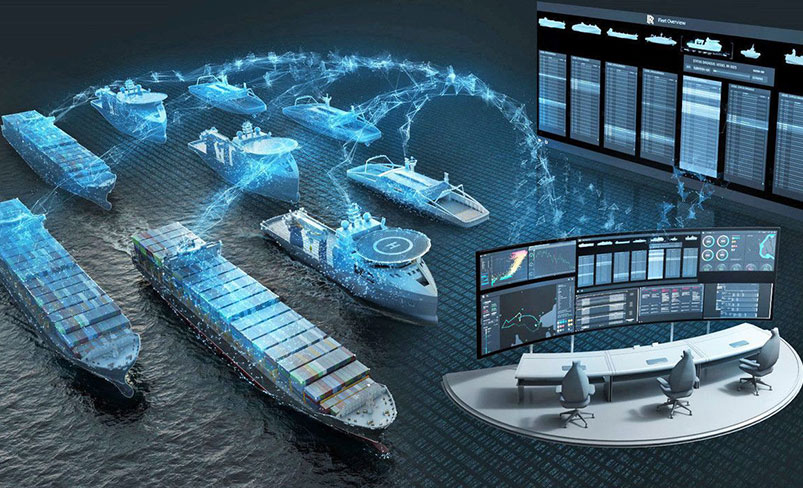
AI-driven fleet management systems allow shipping companies to monitor multiple vessels remotely, track emissions, and optimize performance. This helps in meeting global environmental regulations and improving sustainability efforts.
Challenges and Opportunities
Workforce Adaptation and Training
With automation reducing manual tasks, the workforce must adapt to new AI-driven tools and technologies. Training programs in AI, data analysis, and automation are crucial for the future of maritime professionals.
Regulatory Compliance and Ethical Considerations
The rise of autonomous shipping raises legal and ethical questions. Regulatory bodies are working on frameworks to ensure AI-powered vessels comply with international maritime laws and safety regulations.
Conclusion
AI and automation are reshaping modern shipping management by improving efficiency, reducing costs, and enhancing safety. As the maritime industry continues to adopt these technologies, companies must stay ahead by investing in AI-driven solutions, workforce training, and sustainable innovations. The future of shipping is smarter, more connected, and increasingly autonomous.