Introduction
Ensuring compliance with International Maritime Safety Standards is critical for shipping companies to safeguard lives, protect the environment, and maintain operational efficiency. With stringent regulations set by organizations like the International Maritime Organization (IMO), the International Labour Organization (ILO), and regional maritime authorities, shipowners and operators must adopt best practices to meet global safety requirements. This article explores key maritime safety standards and strategies to ensure compliance.
Key International Maritime Safety Standards
1. International Convention for the Safety of Life at Sea (SOLAS)
SOLAS is one of the most important treaties regulating maritime safety, covering areas such as ship construction, fire protection, life-saving equipment, and navigation systems.
Compliance Measures:
- Regular safety inspections and certification for vessels.
- Installation of advanced fire suppression and emergency response systems.
- Implementation of Electronic Chart Display and Information Systems (ECDIS) for navigation safety.
2. International Safety Management (ISM) Code
The ISM Code establishes a framework for the safe management and operation of ships, ensuring that safety policies and procedures are effectively implemented.
Compliance Measures:
- Developing a Safety Management System (SMS) tailored to the company’s operations.
- Conducting regular safety audits and crew training programs.
- Establishing emergency preparedness protocols for accident response.
3. Maritime Labour Convention (MLC) 2006
The MLC sets minimum working and living conditions for seafarers, covering fair wages, rest hours, medical care, and safety provisions.
Compliance Measures:
- Ensuring that seafarer contracts and conditions meet MLC standards.
- Providing adequate onboard accommodations and medical facilities.
- Conducting routine inspections to verify compliance with labor rights.
4. International Ship and Port Facility Security (ISPS) Code
The ISPS Code focuses on security measures to prevent threats such as piracy, terrorism, and smuggling in the maritime industry.
Compliance Measures:
- Implementing ship security plans (SSP) and conducting security drills.
- Appointing a Ship Security Officer (SSO) to oversee security protocols.
- Enhancing surveillance systems and access controls at ports and onboard vessels.
5. Ballast Water Management (BWM) Convention
This regulation mandates ships to manage and treat ballast water to prevent the spread of invasive aquatic species.
Compliance Measures:
- Installing IMO-approved Ballast Water Treatment Systems (BWTS).
- Conducting ballast water exchange and record-keeping as per regulations.
- Training crew members on proper ballast water management procedures.
Best Practices for Ensuring Compliance
1. Regular Training and Safety Drills
- Conducting fire, evacuation, and emergency response drills to ensure crew readiness.
- Providing ongoing training on safety equipment and operational protocols.
2. Investment in Technology and Automation
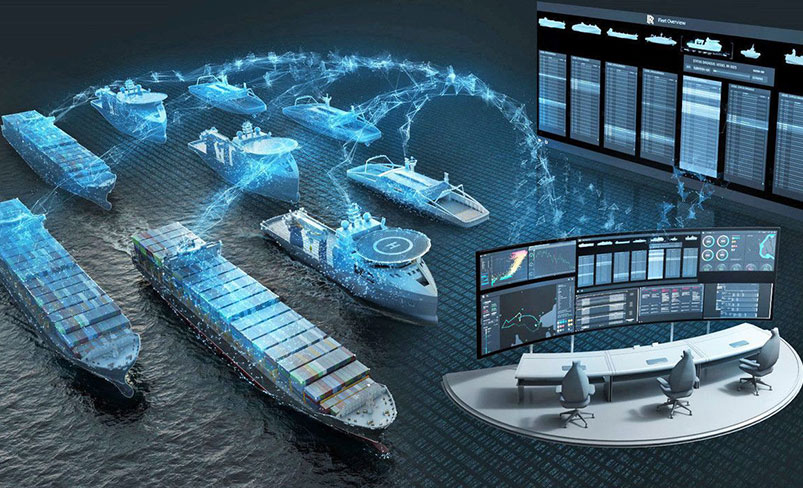
- Utilizing AI-driven monitoring systems for real-time compliance tracking.
- Implementing IoT-based sensors for predictive maintenance and risk assessment.
3. Comprehensive Documentation and Audits
- Maintaining detailed records of safety inspections, crew certifications, and incident reports.
- Scheduling third-party audits to verify adherence to international regulations.
4. Collaboration with Regulatory Bodies
- Engaging with IMO, classification societies, and maritime authorities for regulatory updates.
- Participating in safety conferences and training workshops.
Conclusion
Ensuring compliance with International Maritime Safety Standards requires a proactive approach, integrating regulatory knowledge, crew training, and advanced technologies. By implementing rigorous safety protocols, leveraging digital tools, and maintaining transparency in operations, shipping companies can enhance maritime safety, protect assets, and sustain global trade efficiency.